
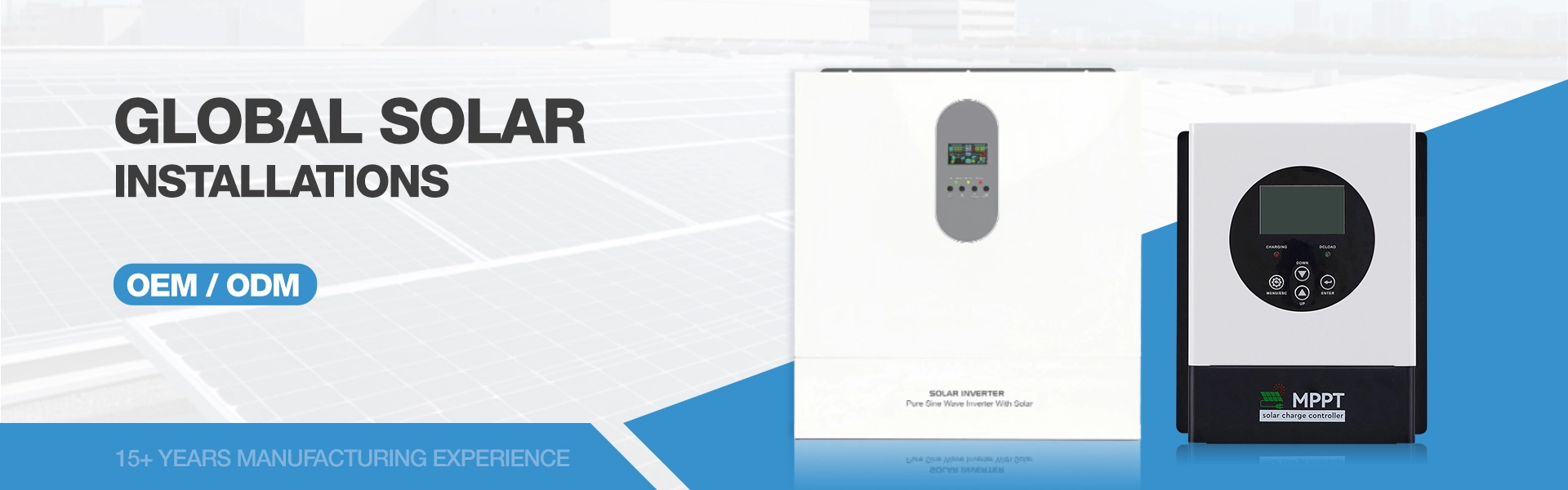
Home Solar Power: A Practical Path to Energy Independence
As energy costs continue to rise and environmental concerns become more urgent, more homeowners are turning to renewable solutions to reduce expenses and gain energy autonomy. Among the various clean-energy options, rooftop solar photovoltaic (PV) systems stand out as one of the most practical and widely adopted choices. By converting sunlight into usable electricity, a home PV system enables families to generate their own power and enjoy long-term economic and environmental benefits.
How a Home Solar PV System Works
A rooftop solar system operates through a simple, efficient process:
-
Capture sunlight
Solar panels installed on the roof absorb solar radiation and convert it into direct current (DC) electricity. -
Convert to usable power
An inverter transforms the DC power into alternating current (AC), which is compatible with household appliances. -
Utilize or store electricity
The generated power can be used immediately, stored in a battery for later use, or—in some regions—exported to the grid if local policies allow.
This closed-loop power system allows homeowners to produce their own clean energy day after day.
Why More Households Are Choosing Solar
1. Clean and Infinite Energy
Solar energy is abundant, renewable, and does not pollute the environment. Unlike fossil fuels, it does not rely on mining, transportation, or combustion, making it one of the most eco-friendly power sources available.
2. Reduced Electricity Bills
By generating their own electricity, households can dramatically cut monthly power expenses. In areas with high grid prices or unstable supply, solar power provides a more reliable and cost-effective alternative.
3. Long-Term Stability
Modern solar panels and inverters are designed for long service life. Once installed, the system operates quietly and reliably for years with minimal maintenance.
4. Potential Financial Returns
Depending on national policies, homeowners may be able to sell excess electricity back to the grid or receive government incentives—effectively turning the rooftop into a long-term income asset.
Challenges to Consider
While solar energy offers numerous benefits, several practical factors should be evaluated before installation:
-
Initial investment
Purchasing solar panels, inverters, and optional batteries requires upfront capital, though costs continue to decrease each year. -
Need for professional installation
A safe, efficient solar system must be designed and installed by trained personnel, especially for systems involving high power or battery storage. -
Impact of weather conditions
Solar output varies with sunlight intensity. Cloudy days and seasonal changes can influence total energy production, making system design and battery capacity important considerations.
Technology and Policy Are Making Solar More Accessible
To address cost and efficiency concerns, manufacturers and research institutions worldwide are continuously improving solar panel efficiency, inverter performance, and system reliability. Governments in many countries also support renewable energy adoption through subsidies, tax incentives, and favorable policies.
With these advances, installing a rooftop PV system is no longer an expensive niche option—it is becoming mainstream and widely accessible.
Conclusion
Home solar power is emerging as a key solution for achieving energy independence. It reduces household electricity spending, lowers reliance on traditional power grids, and contributes to a cleaner environment. As technology evolves and policies continue to promote renewable energy, rooftop solar systems will become an essential component of sustainable living.