
A stable power supply is critical for homes, small businesses, and industrial facilities. However, grid failures caused by extreme weather, aging infrastructure, or unstable voltage remain common in many regions. To stay powered during outages, most people turn to either a solar backup system or a fuel-powered generator.
Both solutions can keep your essential appliances running, but they function very differently. Below is a clearer, modern comparison to help you decide which option fits your long-term needs.
How a Solar Backup System Works
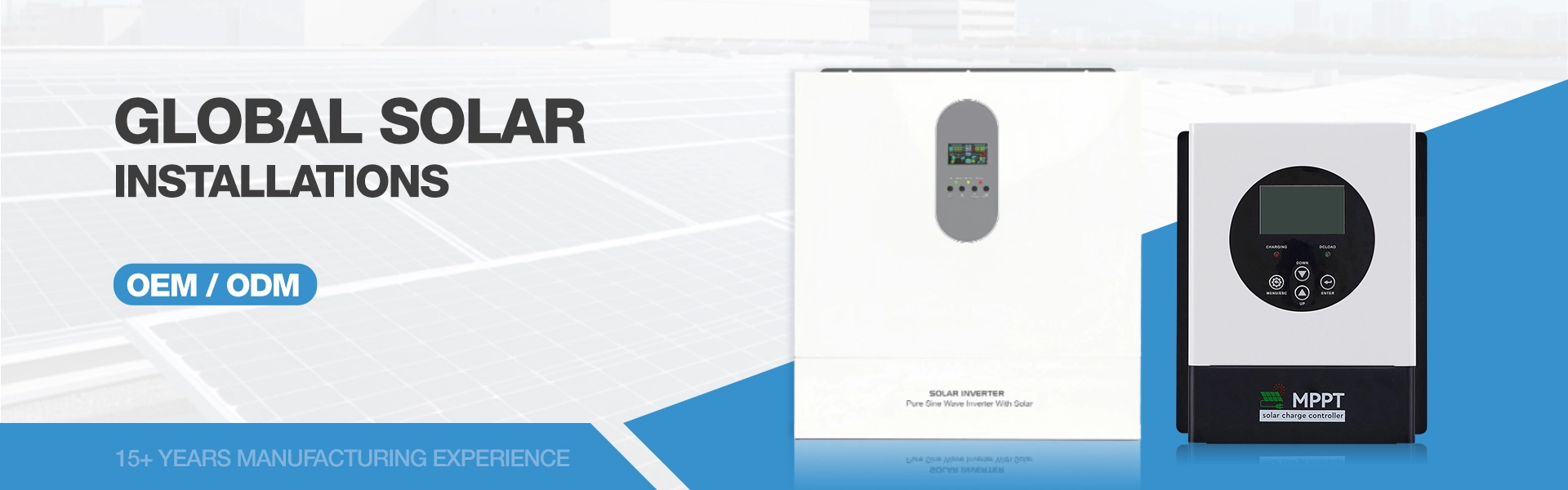
A solar backup system converts sunlight into usable electricity through photovoltaic (PV) panels. The generated DC power is sent to a solar inverter (often with built-in MPPT controller), which converts it to AC power for household or commercial use. Extra energy is stored in lithium or lead-acid batteries to supply electricity at night or when the weather is poor.
Once installed, the system runs automatically with minimal manual operation. Modern hybrid inverters even allow grid charging or generator input when needed.
Advantages of Solar Power Systems
1. Long-term economic benefits
No fuel costs, minimal maintenance, and a service life of 10–25 years make solar energy more cost-effective over time than traditional generators.
2. Clean and quiet operation
Solar produces zero emissions and operates silently—ideal for residential areas, farms, shops, and offices.
3. Energy independence
With battery storage, customers rely less on unstable grids or fuel shortages—especially important in regions with frequent outages.
4. Low maintenance
Solar systems have no moving parts, resulting in fewer failures and lower yearly upkeep.
5. Hybrid-ready
Many hybrid inverters (including Yingke’s) support AC generator input, allowing solar + generator to work together for long-duration backup.
Limitations of Solar Systems
- Higher upfront investment for panels, inverter, and batteries
- Weather-dependent output, requiring proper battery sizing
- Professional installation recommended for safety and efficiency
How a Backup Generator Works
A generator uses gasoline, diesel, or LPG to power an internal combustion engine. The engine drives an alternator that generates AC electricity for tools, appliances, or entire homes. As long as you keep supplying fuel, a generator can deliver stable power.
Advantages of Backup Generators
1. Lower initial cost
A generator is generally cheaper to buy upfront compared to a complete solar system.
2. Instant power
Start it, refuel it, and you have electricity within seconds.
3. Consistent output
It can run for long hours if fuel is available.
4. Wide application range
From small portable units to large industrial generators, they cover multiple user scenarios.
Disadvantages of Backup Generators
- High running cost due to fuel consumption
- Noise and emissions from combustion engines
- Fuel dependency, especially difficult during supply shortages
- Frequent maintenance, including oil, filters, and engine servicing
Comparison: Solar vs. Generator
| Aspect | Fuel Generator | Solar Backup System |
|---|---|---|
| Initial Cost | Low | Higher |
| Operating Cost | High (fuel + maintenance) | Very low |
| Noise | Loud | Silent |
| Environmental Impact | Emissions | Eco-friendly |
| Long-Term Reliability | Depends on fuel supply | Depends on sunlight + battery |
| User Experience | Needs refueling | Automatic once installed |
| Best Use Case | Short-term emergencies | Long-term backup & daily savings |
Final Decision: Which One Should You Choose?
Choose Solar if you want:
- Long-term savings
- Quiet and eco-friendly power
- Reduced reliance on unstable grids
- A permanent backup solution for home or business
Solar systems are ideal for regions with high sunlight levels—such as Africa, South America, and Southeast Asia, where solar potential is excellent.
Choose a Generator if you want:
- Low upfront price
- Immediate, temporary backup
- A solution used only occasionally
Generators work best for short power outages or locations where installing solar is not yet practical.
Conclusion
Both solar power systems and generators provide valuable backup power, but they serve different needs. Solar offers long-term savings, quiet operation, and energy independence, while generators provide fast, affordable emergency power.
For homes and businesses seeking a stable, low-maintenance, and eco-friendly solution, a solar backup system is the smarter long-term choice—especially when paired with a generator for all-weather reliability.